Across Gujarat, festivals arrive with the rhythm of the land. From harvest to monsoon, these gatherings reflect cycles of work, worship, and weather. Each celebration is rooted in its setting, shaped as much by season as by story.
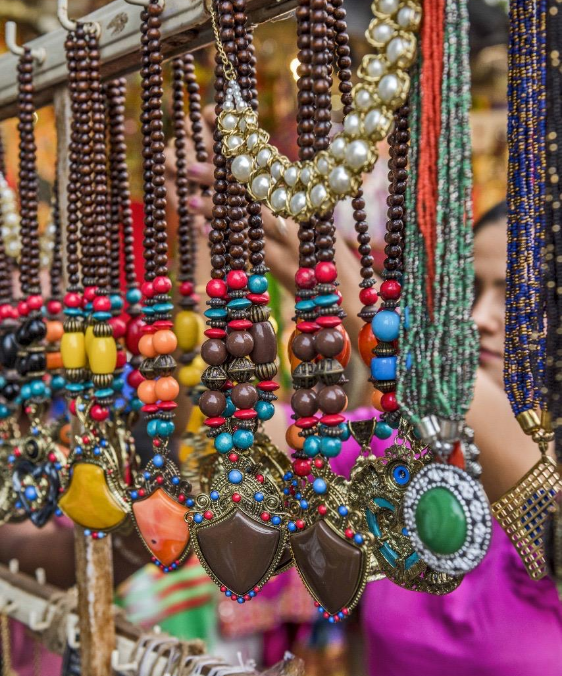
Vibrant oxidised jewellery market at Law Garden, Ahmedabad.
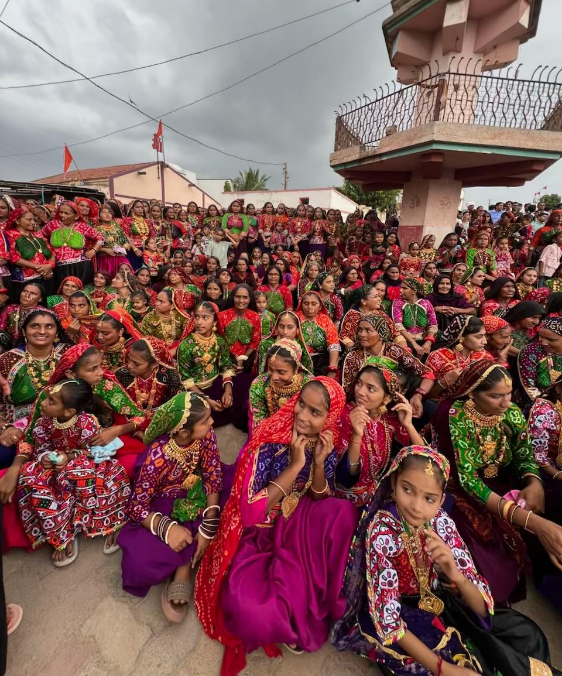
Janmasthami Festival - Kutch
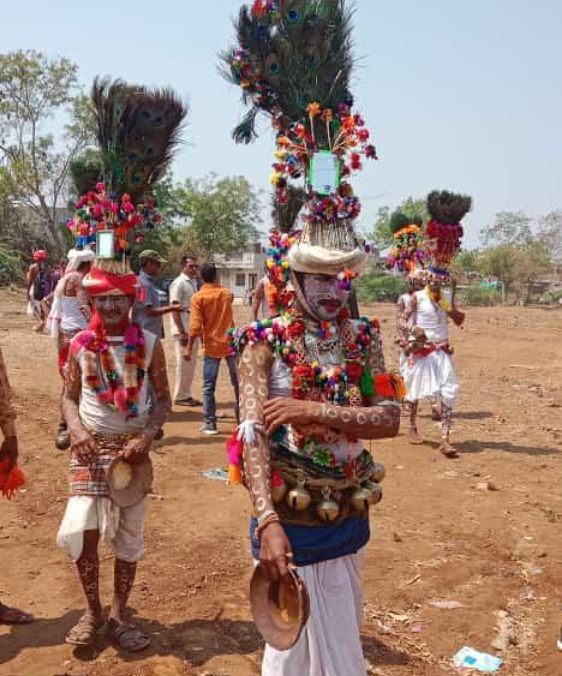
Kawant Gher Fair in Kavant, Gujarat.
Visitors are welcomed into community-led and locally lived events. Whether it’s kite-flying on rooftops or processions through village streets, the experience lies in being present and respectful, not in spectacle or performance.
Rather than focus on scale or display, these journeys observe how celebration brings people together. It’s an opportunity to understand what the festival means to those who mark it each year, in ways both visible and quiet.
Kite Festival of Gujarat
Festivals in Gujarat unfold as part of everyday life. One season brings street processions with decorated idols, another sees families gathering on rooftops to fly kites. In village courtyards and town markets, rituals and meals change with the calendar.
Depending on when you travel, you may find yourself among quiet temple gatherings, early morning fairs, or small community events that mark the passing of time.
Related Themes
Discover journeys that complement your journey, each presenting distinct perspectives on Gujarat’s craft, cuisine, landscapes, legacy, and practices worth experiencing firsthand.
Full Moon at the Rann of Kutch
Folk Music during Rann Utsav
Desert Vistas
Experience the vast spaces of Gujarat’s salt plains and arid lands. These journeys focus on silence, light, and horizon. The desert offers more than scenery. It provides perspective, solitude, and stories that only the land can tell.
Stroll through towns and trading streets where history is part of daily work. These walks uncover the details that remain unchanged, from old guild markers to family-run workshops, offering stories that lie beyond guidebooks or marked routes.
Visit artisans who continue traditions shaped by land, faith, and family. These encounters are not demonstrations but conversations, offering space to understand skills that define communities, from weaving and pottery to metalwork and embroidery.